From standard instruments to system-level solutions
Standard instrument product line
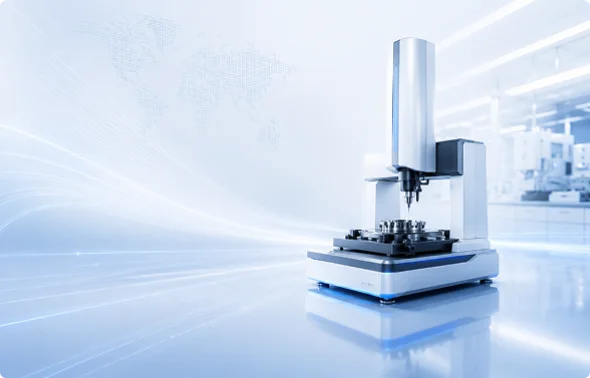
Laser particle size analyzer, static/dynamic image analyzer, microflow imager, nanoparticle size analyzer, online laser particle size monitoring system. The products cover the particle size range from nanometer to millimeter, comply with national standards, pharmacopoeia and ISO standards, and meet the needs of routine laboratory testing and rapid quality control of production lines.
System Level Solutions
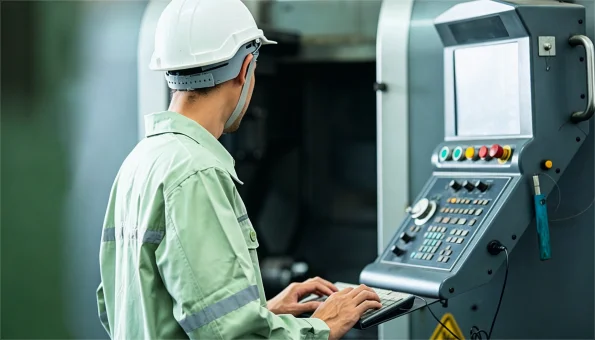
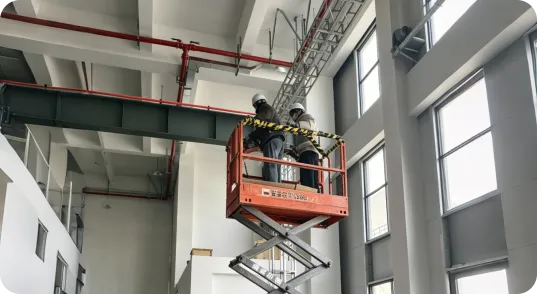
When standard instruments cannot directly adapt to special working conditions, such as high temperature and pressure, strong corrosion, high viscosity, flammable and explosive environments, or need to be embedded in the production line to achieve closed-loop control, we provide customized system integration services. With the detection unit as the core, components such as fluid control, dispersion system, temperature control module, gas path management, motion control and data interface are flexibly combined to build a complete solution that meets process needs.
Technical support:A multidisciplinary team with Beihang background
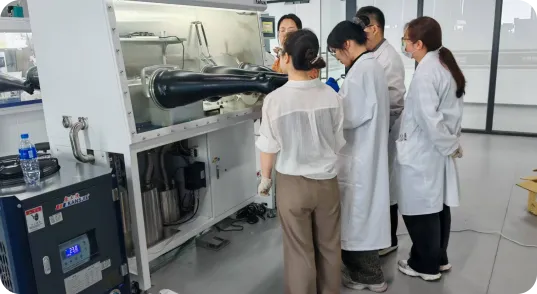
The core R&D team of Mipu Technology comes from Beijing University of Aeronautics and Astronautics and has independent R&D capabilities in four professional directions: mechanical design, structural engineering, electronic engineering, and software engineering.
Mechanical and Structural Engineering
Design pressure-resistant, corrosion-resistant, and wear-resistant flow paths and probes to adapt to harsh environments such as mine slurry, chemical reactors, and high-temperature flues.
Electronic Engineering
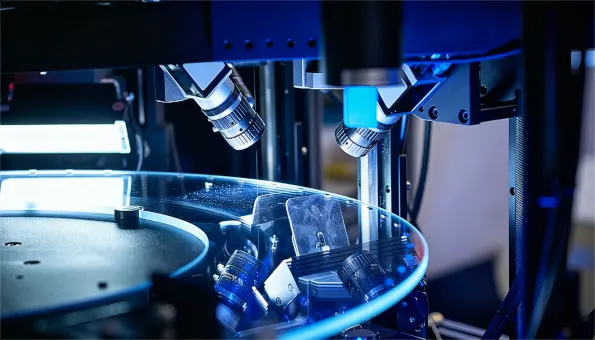
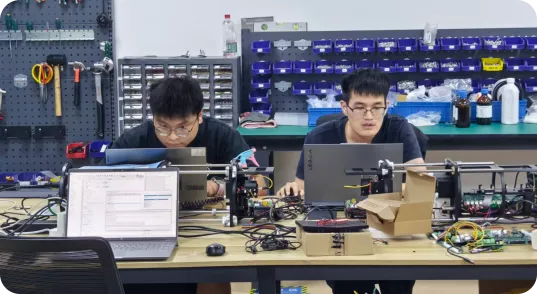
Develop high signal-to-noise ratio signal acquisition and processing circuits to ensure that weak light scattering signals are stable and reliable under strong interference.
Software engineering
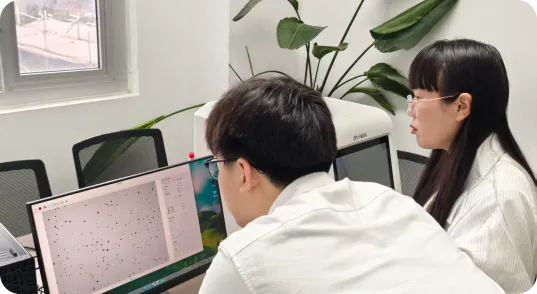
Build a full-stack system from bottom-level algorithms to upper-level applications, supporting PLC/DCS linkage, MES data upload and remote diagnosis.
Application engineering
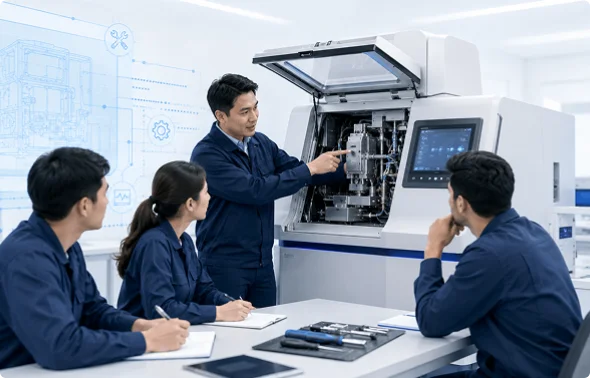
Convert customers' process language into technical parameters, formulate verification plans, and ensure delivery is ready for use.
In-depth cooperation process:From demand insight to long-term symbiosis
We understand that a truly effective particle characterization system is not simply connecting instruments to the production line, but a process of deep integration of technology and process. Therefore, we have established a five-stage cooperation process covering the entire project life cycle.
STEP 01
The first stage: demand research and on-site diagnosis
admin
STEP 02
The second stage: scheme design and technical confirmation
Based on the demand report, the R&D team conducts module selection, flow path design, and software architecture planning. Output a "Comprehensive Solution Proposal", including detection principle demonstration, module configuration list, mechanical structure diagram, data flow diagram, expected performance indicators and delivery plan. The plan needs to be confirmed by technical review by both parties to ensure that every detail has been carefully considered.
STEP 03
The third stage: R&D integration and process review
Mechanical drawing, circuit design, software development, and module procurement are promoted simultaneously, and project management tools are used for node tracking. For key milestones such as prototype assembly, software joint debugging, and environmental simulation testing, customers are invited to participate in on-site reviews to ensure that the research and development direction is consistent with expectations. All technical documents are archived in real time to ensure traceability.
STEP 04
The fourth stage: On-site deployment and process integration
The engineer team goes to the customer's site to carry out equipment installation, pipeline connection, electrical debugging, and system joint debugging. Complete data docking with customer process control systems such as DCS and PLC to verify the real-time and accuracy of data transmission. Provide operation training, maintenance training and standard operating procedure documents to ensure that on-site personnel can operate the system independently.
STEP 05
The fifth stage: long-term technical support and iterative optimization
Project delivery does not mean the end of the cooperation. We provide remote diagnosis, regular return visits, software upgrades, spare parts supply and other services. When the customer's process changes or new requirements are raised, module expansion or parameter optimization can be carried out on the basis of the original system to achieve joint growth of technology and business.
Conclusion
标准仪器扎实
全系列产品性能经过大量市场验证,数据合规可靠,满足国内外主流标准。
系统方案灵活
模块化架构支持按需组合,可适配从实验室微量分析到工业在线控制的不同场景。
技术自主可控
核心成员具备机械、电子、软件、结构全栈自研能力,不依赖第三方黑盒组件。
行业理解深入
核心成员拥有新能源、化工、制药、半导体等领域从业经验,能够用客户的业务语言沟通技术问题。
Conclusion
We understand that a truly effective particle characterization system is not simply connecting instruments to the production line, but a process of deep integration of technology and process. Therefore, we have established a five-stage cooperation process covering the entire project life cycle.

 0519-86660211